Sourcing Guides
Practical, no-fluff guides for brands and distributors sourcing custom Kydex holsters.
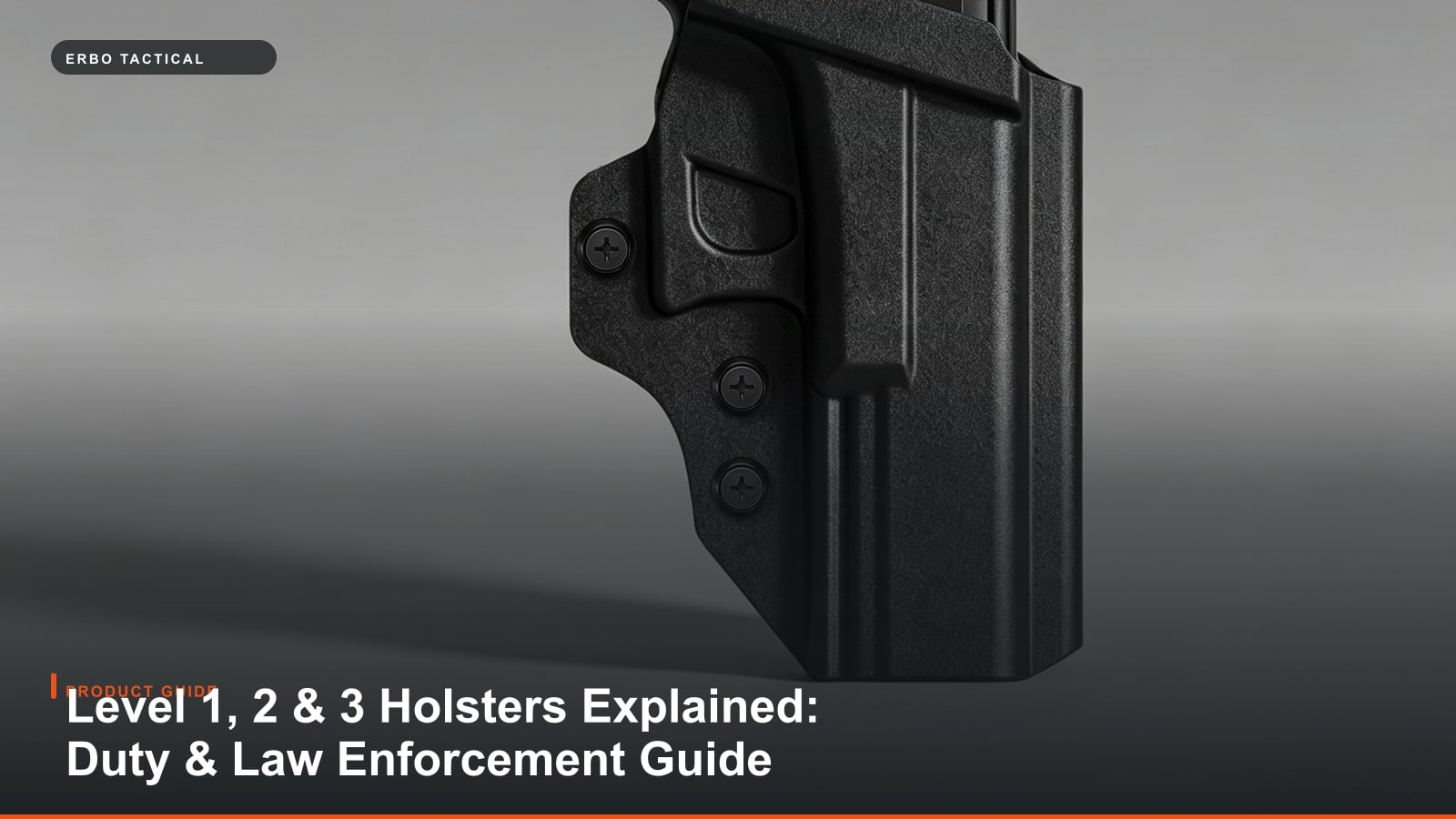
What Level 1, Level 2 and Level 3 holsters mean for duty and law enforcement use — retention types, when to stock each level, and how OEM brands build a security holster line.
Read guide →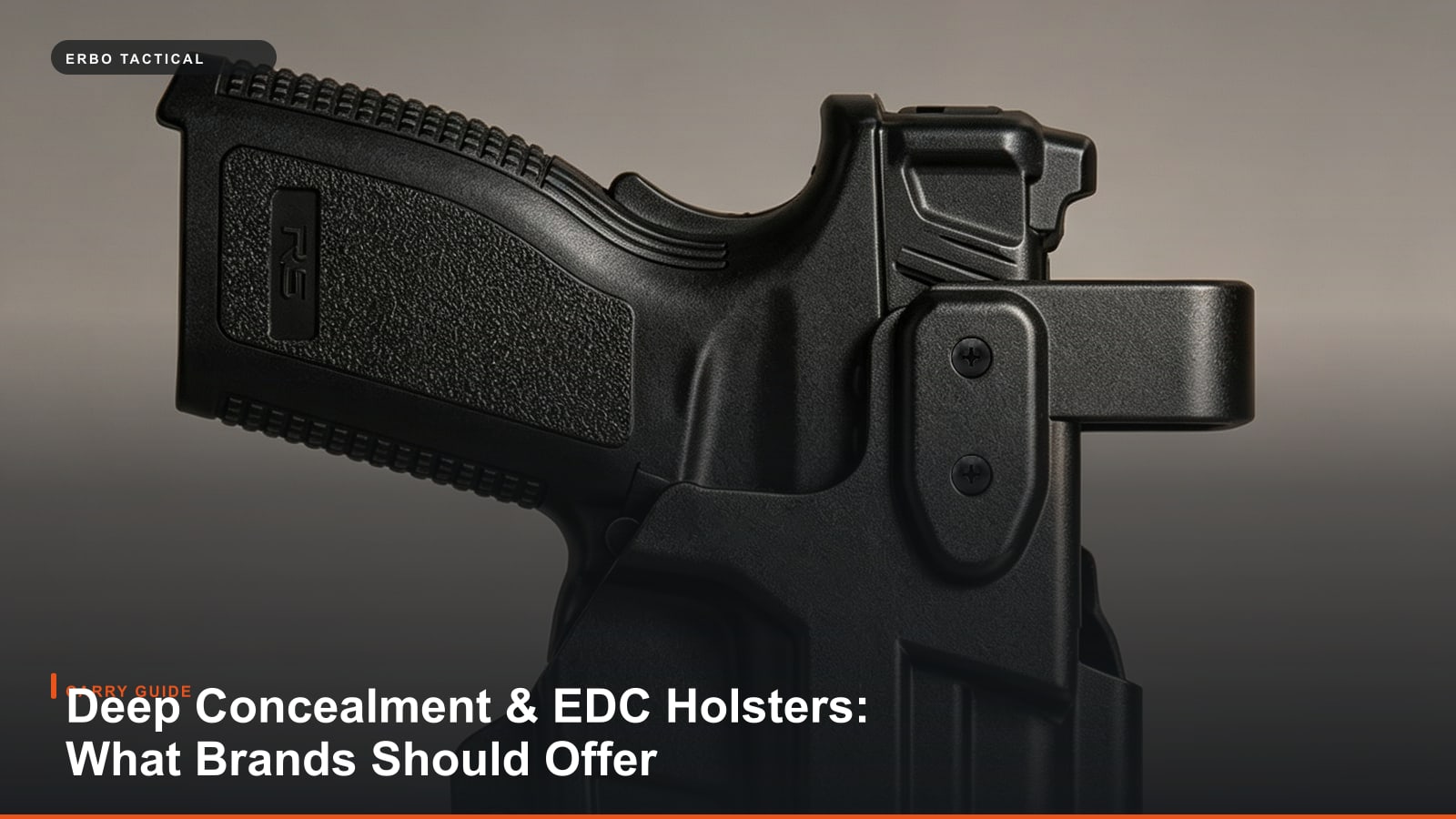
Deep concealment and EDC holsters explained — IWB vs appendix, claw and soft loops, micro-compact gun models, Kydex thickness and how OEM brands build a concealment-first product line.
Read guide →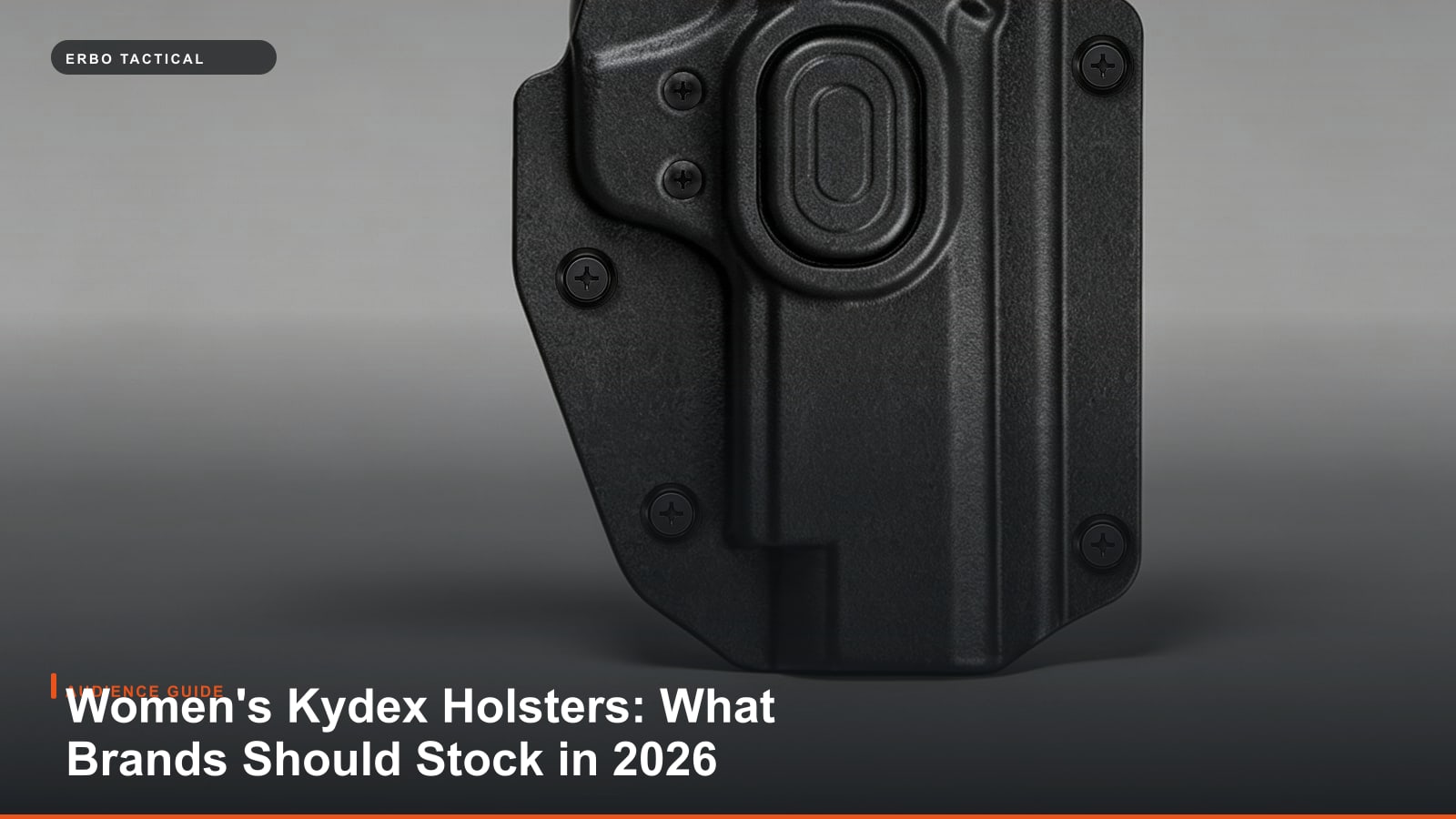
Women's Kydex holsters and holsters for women — carry styles, gun models, fit tips and OEM/private-label advice for brands building a women's concealed-carry line.
Read guide →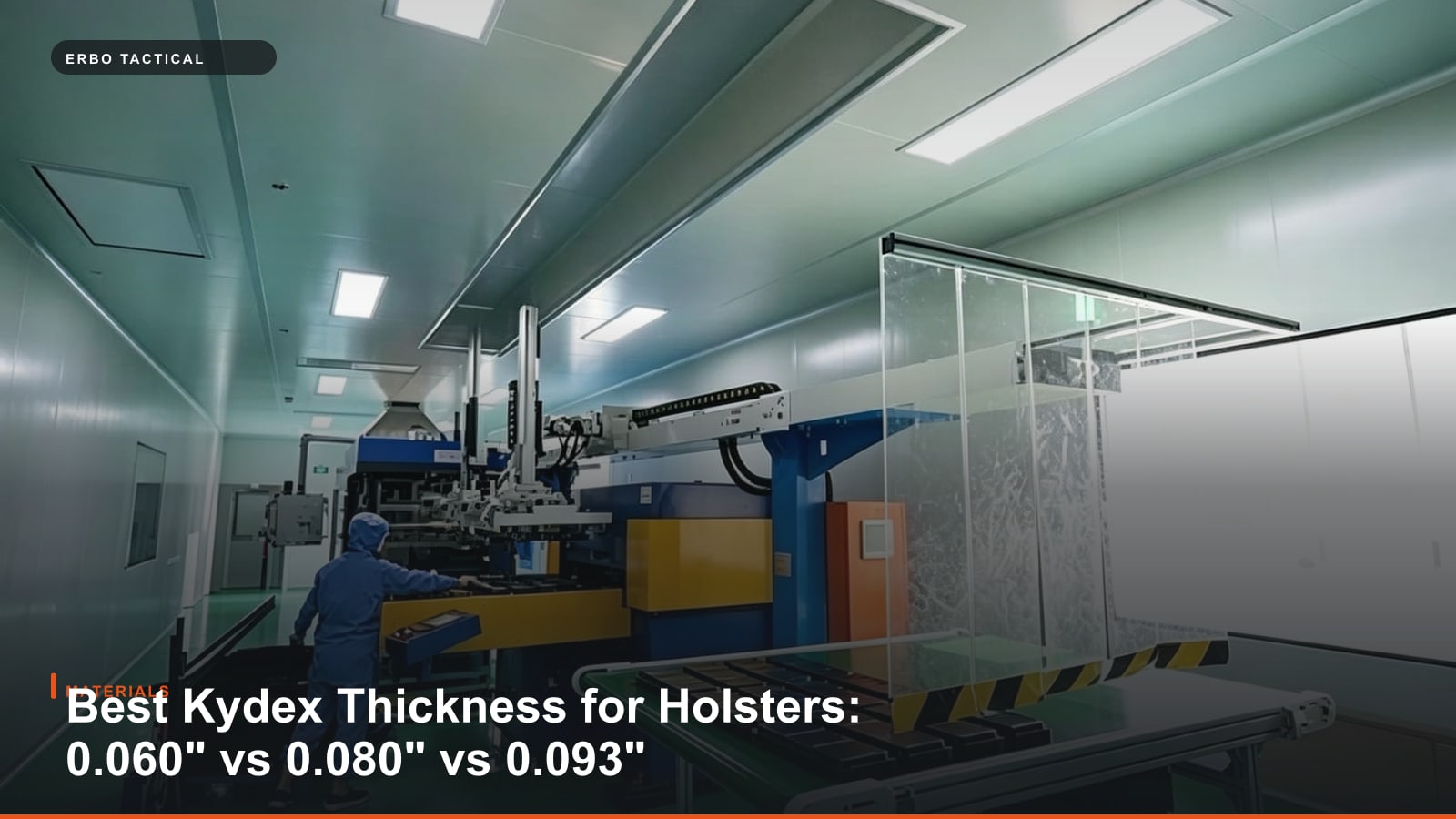
Best Kydex thickness for holsters explained — when to use 0.060", 0.080" or 0.093", how thickness affects retention, comfort and cost, and what brands should stock.
Read guide →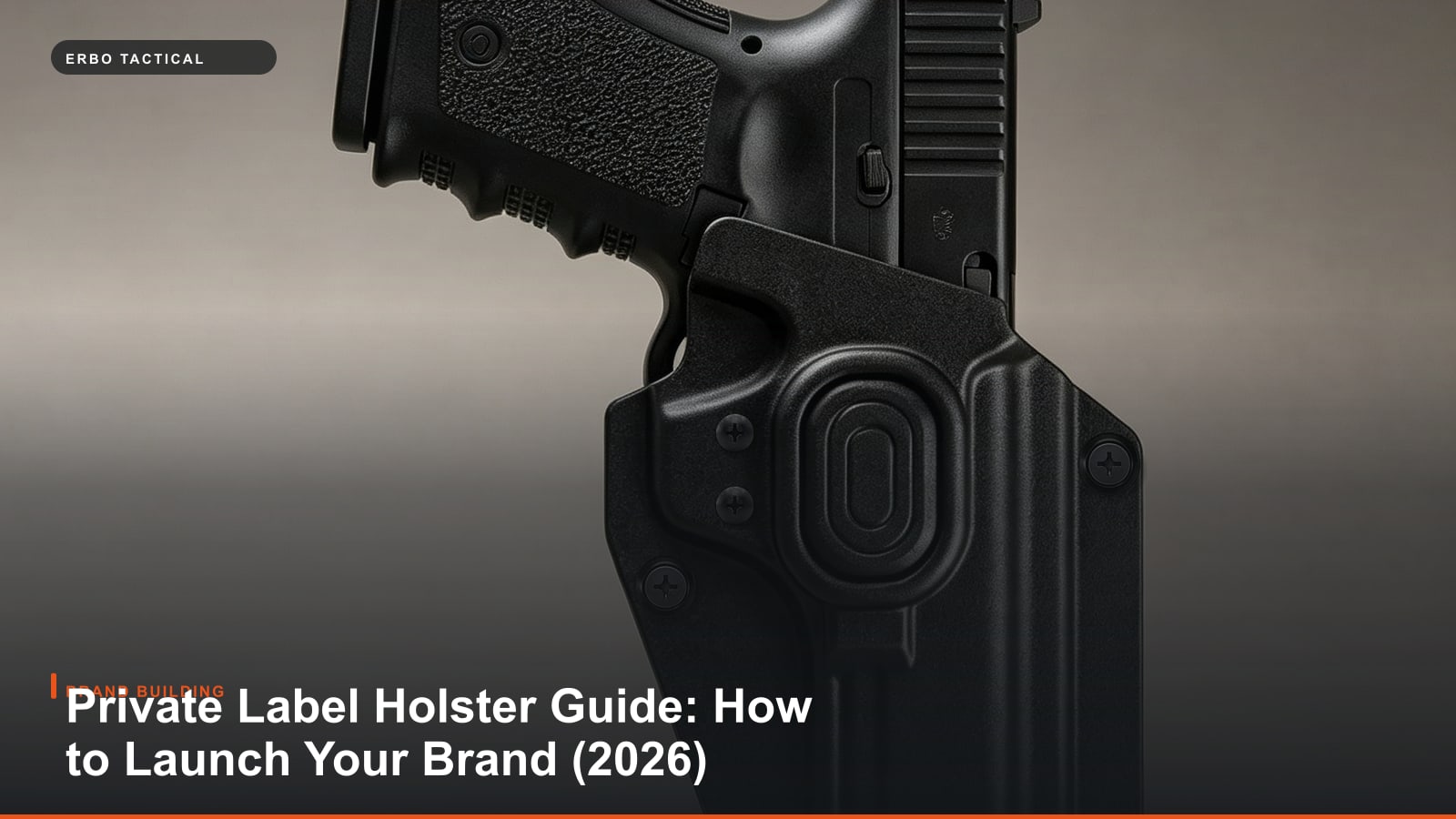
A step-by-step private label holster guide — what private label means, how it differs from OEM, what to customize, MOQ, costs and how to launch your holster line fast.
Read guide →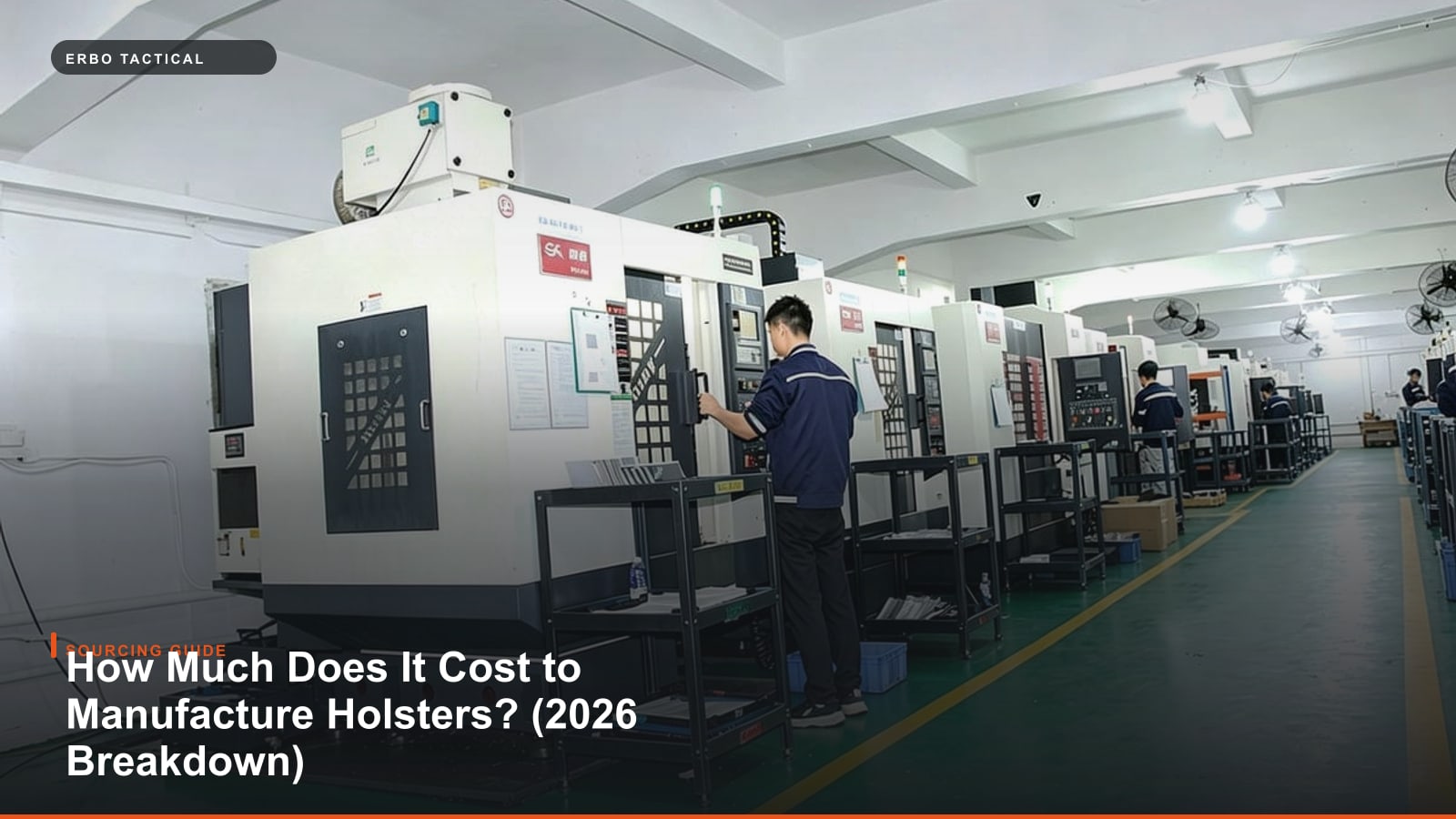
How much does it cost to manufacture holsters? A realistic 2026 breakdown of unit cost, tooling, customization, shipping and margins for brands sourcing Kydex holsters.
Read guide →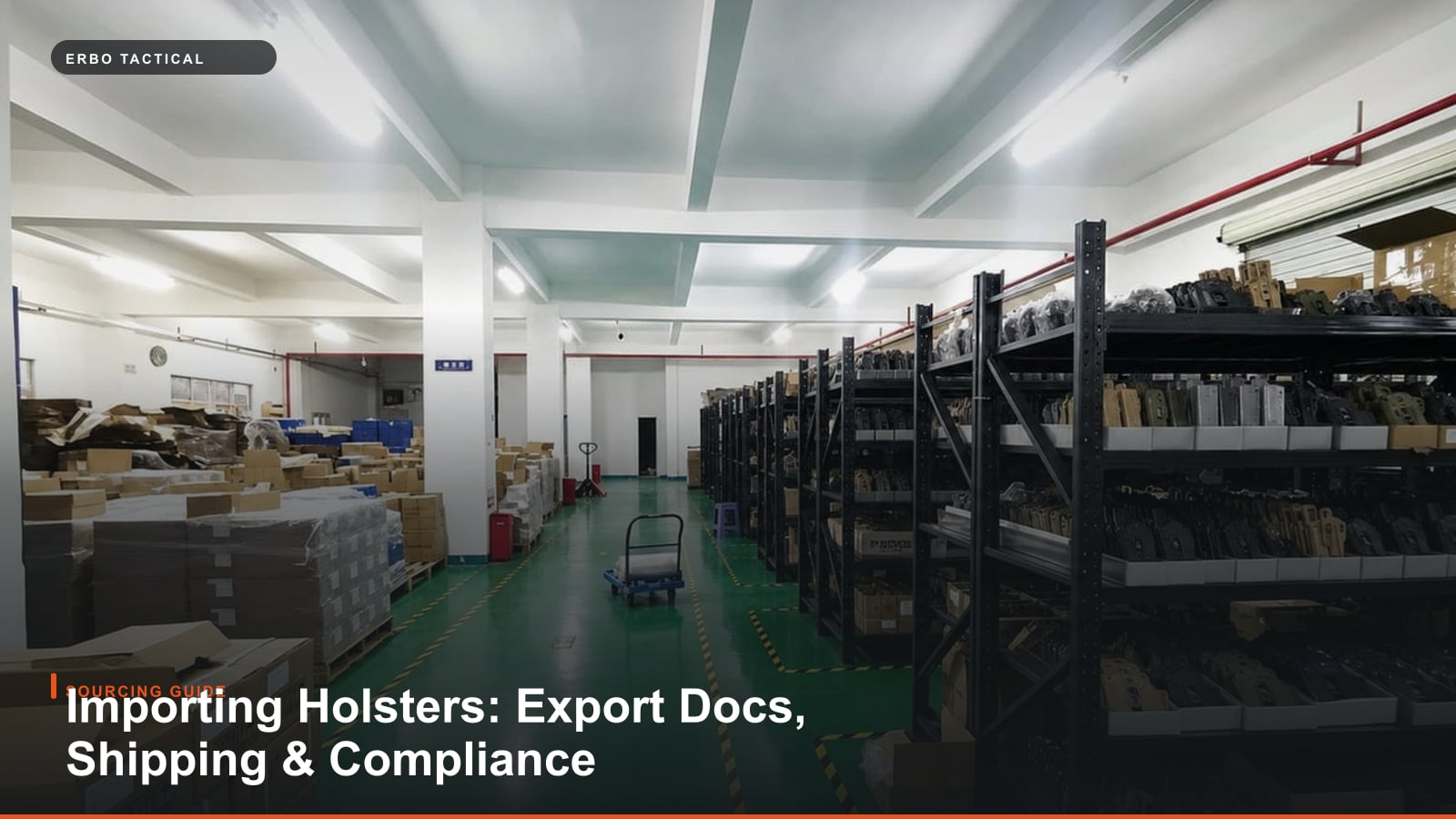
A guide to importing holsters — why accessories ship more freely than firearms, export documentation, shipping methods and destination-country checks.
Read guide →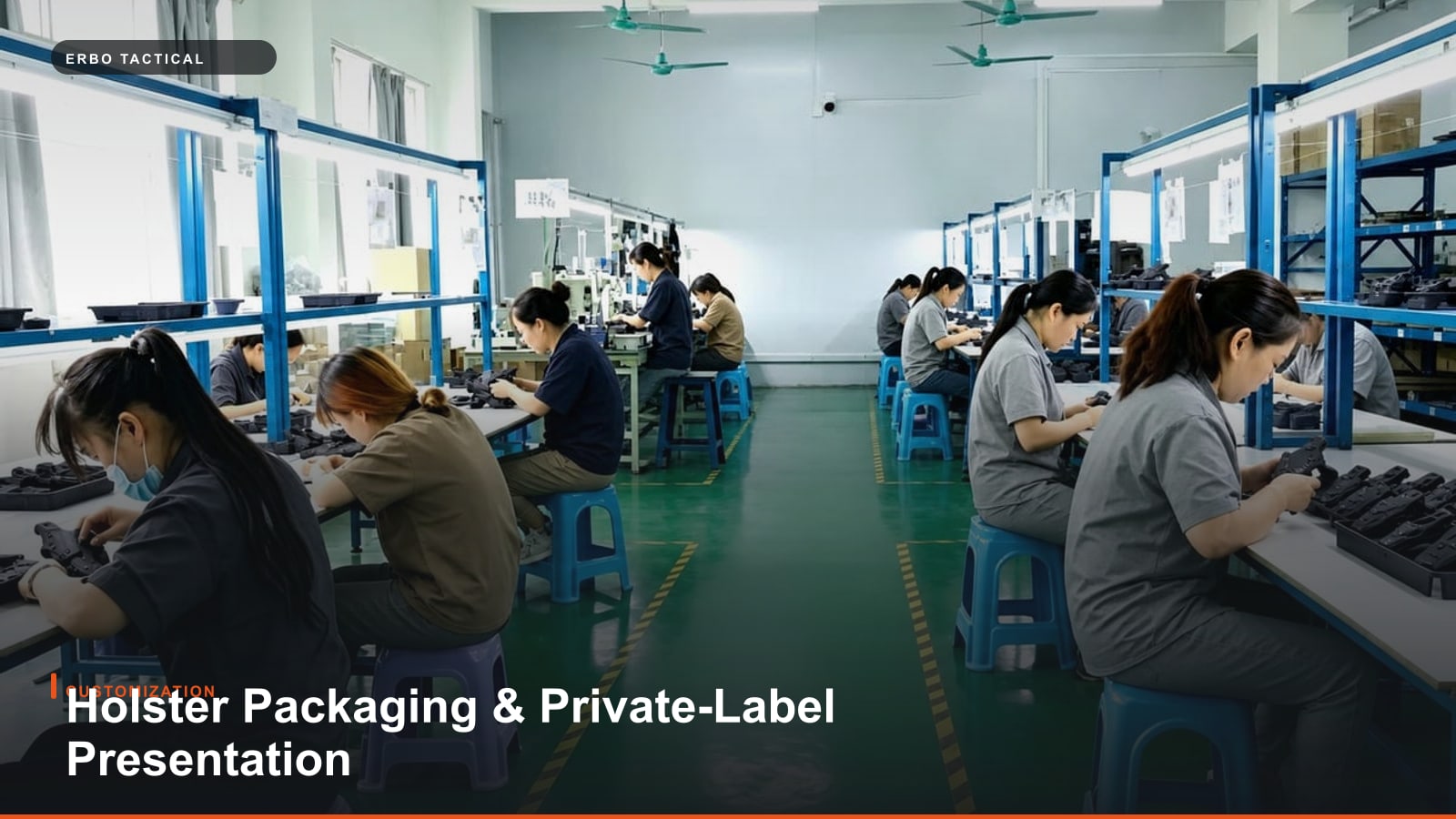
Holster packaging options for private-label brands — blank, branded boxes and retail hangtags, and how packaging lifts perceived value and retail readiness.
Read guide →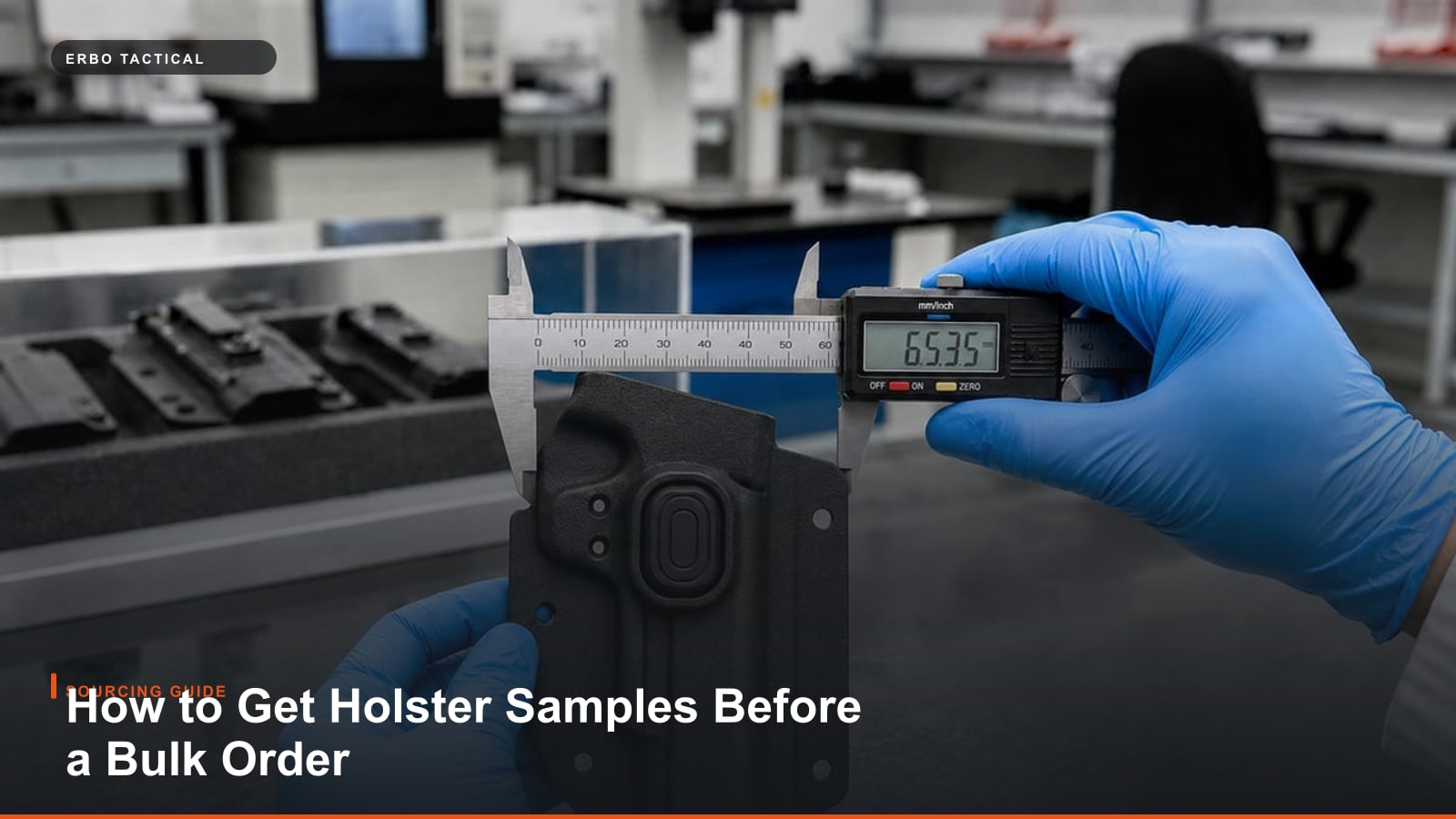
How to get holster samples before ordering in bulk — what to check on a pre-production sample, lead time, and why sampling protects your order.
Read guide →
Holster manufacturing lead times explained — sampling, tooling, mass production and shipping timelines so you can plan your launch and reorders.
Read guide →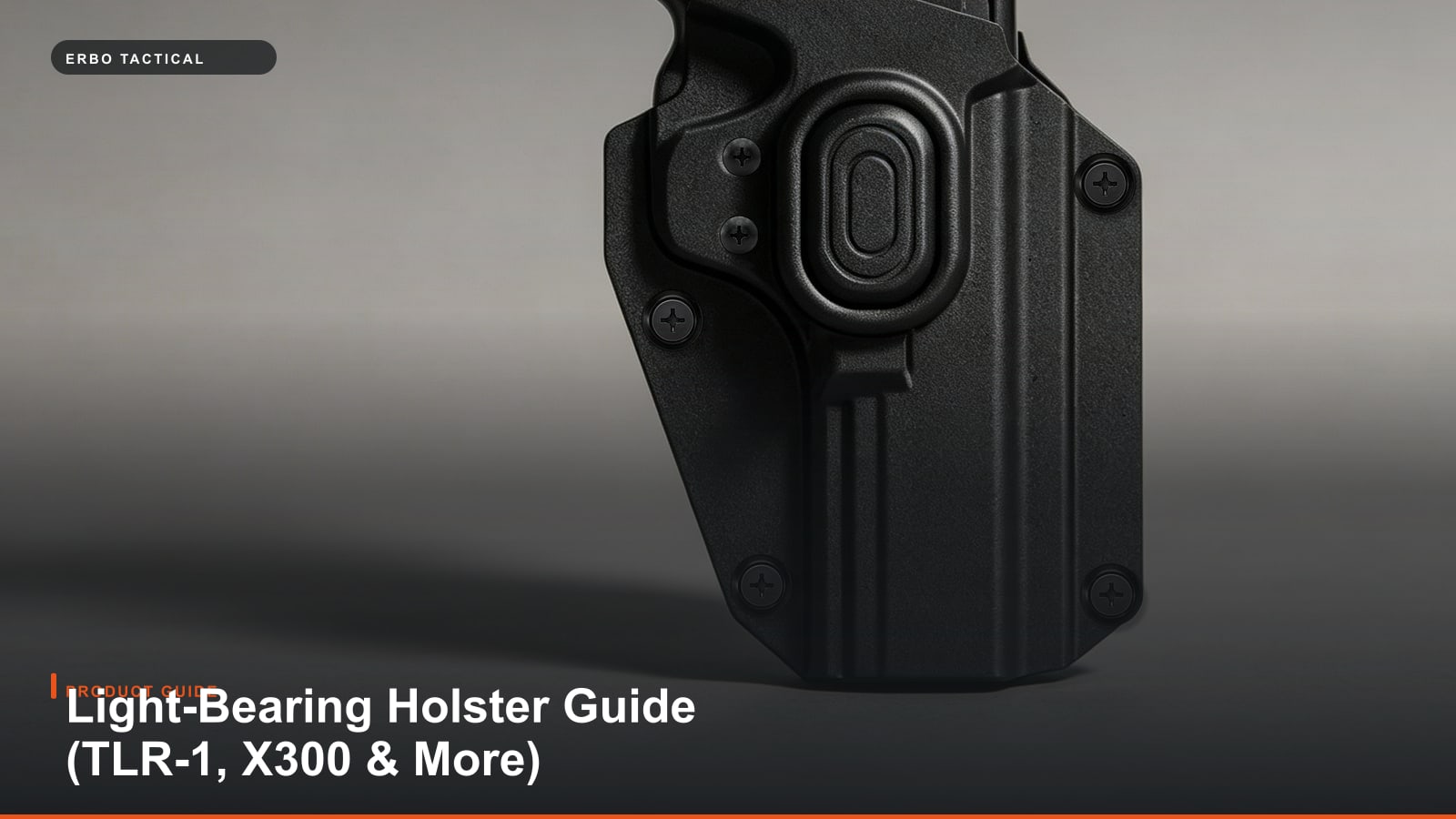
Light-bearing holster guide — how holsters are molded for weapon lights like the TLR-1 and X300, why retention works off the light, and how to spec them.
Read guide →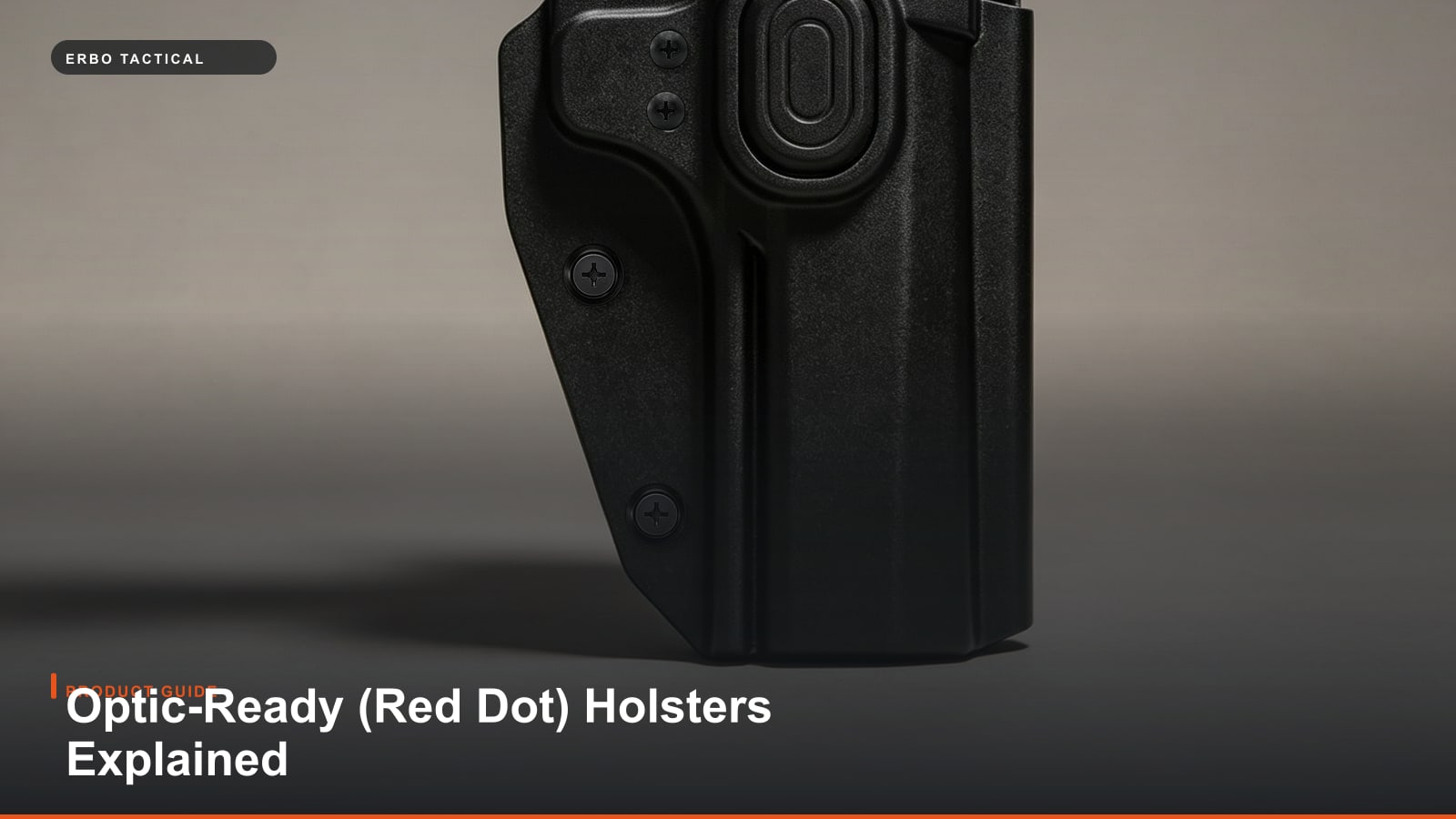
Optic-ready holsters explained — what an optic cut is, why red-dot carry needs it, and how to spec optic-compatible Kydex holsters for your line.
Read guide →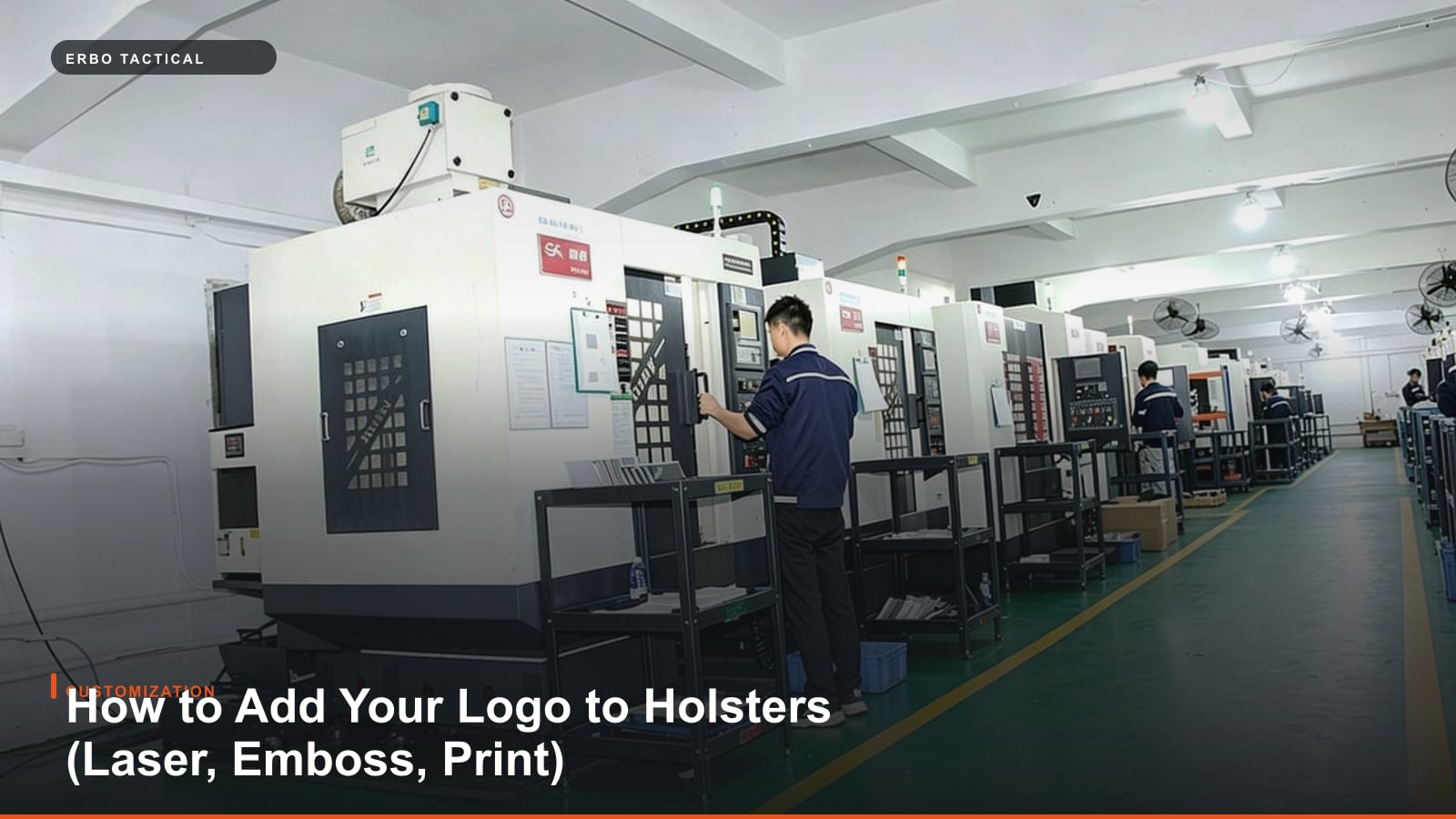
How to add your logo to Kydex holsters — laser engraving vs embossing vs printing, what each looks like, and how to set up branding for your line.
Read guide →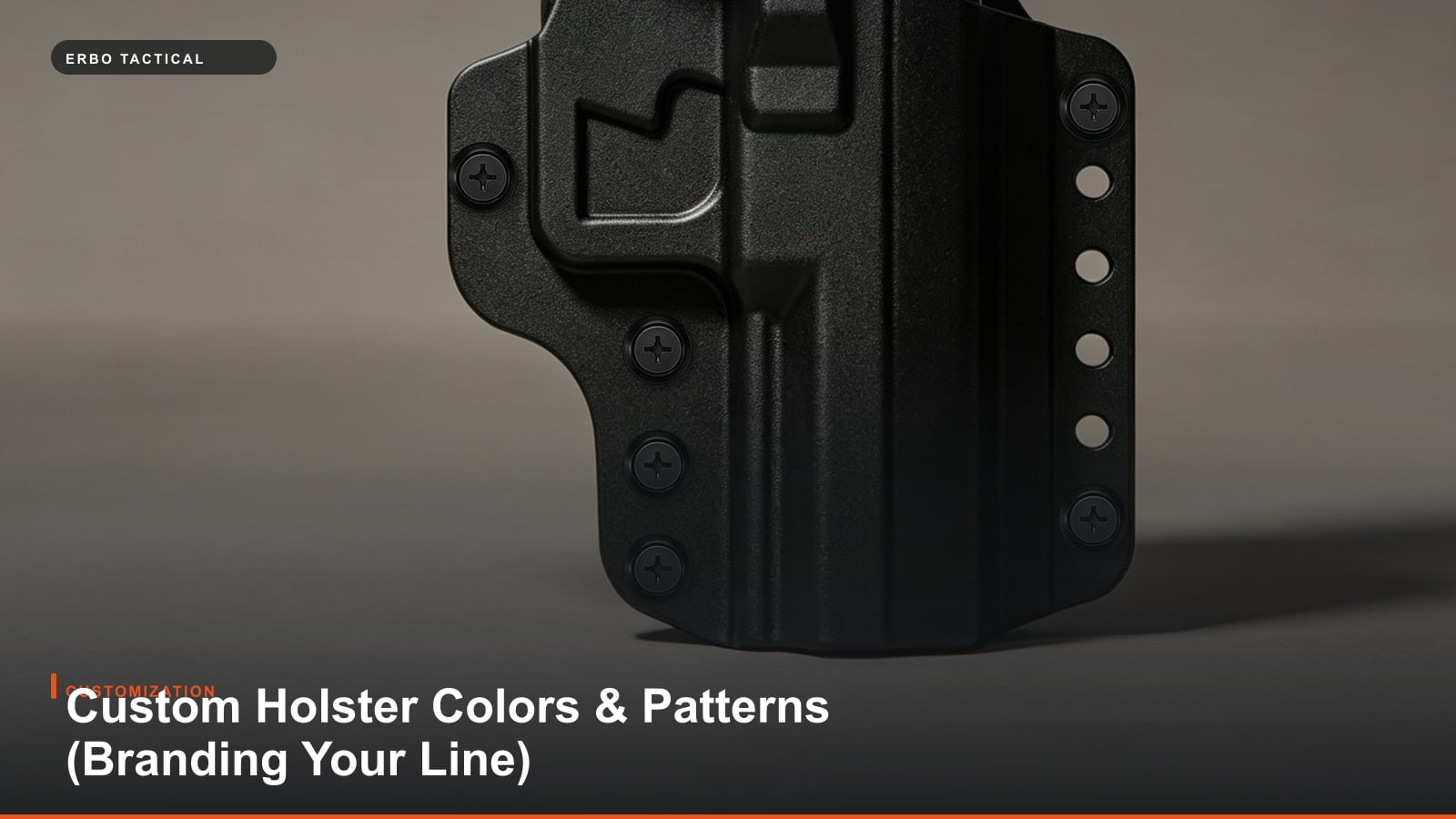
Custom Kydex holster colors and patterns — standard colors, camo and carbon-fiber textures, custom matching, and how color drives a holster brand.
Read guide →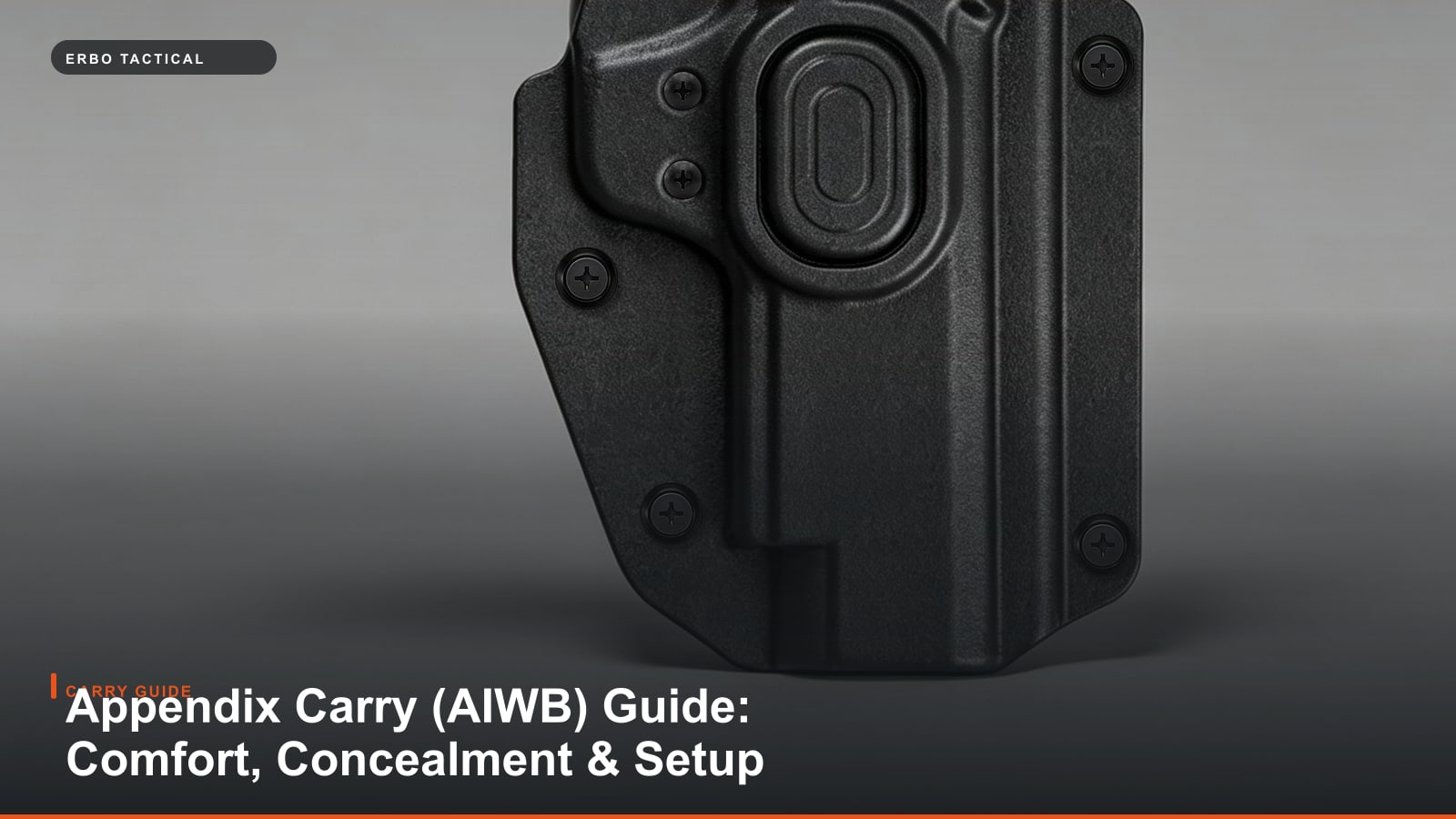
An appendix carry (AIWB) guide for brands and carriers — how it works, the role of the claw/wing, comfort tuning, and why it's the fastest-growing carry style.
Read guide →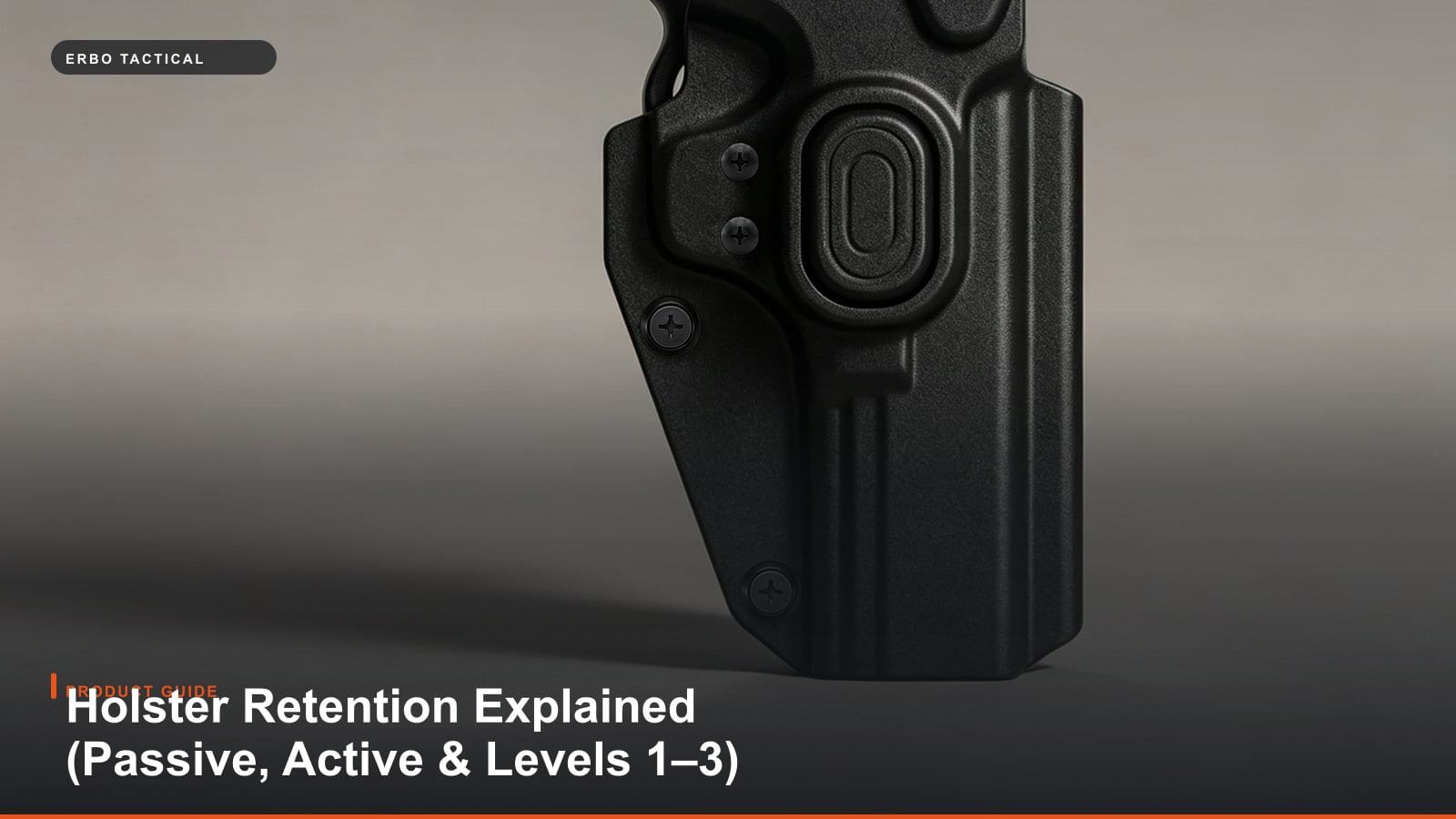
Holster retention explained: the difference between passive and active retention, what Level 1/2/3 means, and how to spec retention for your product line.
Read guide →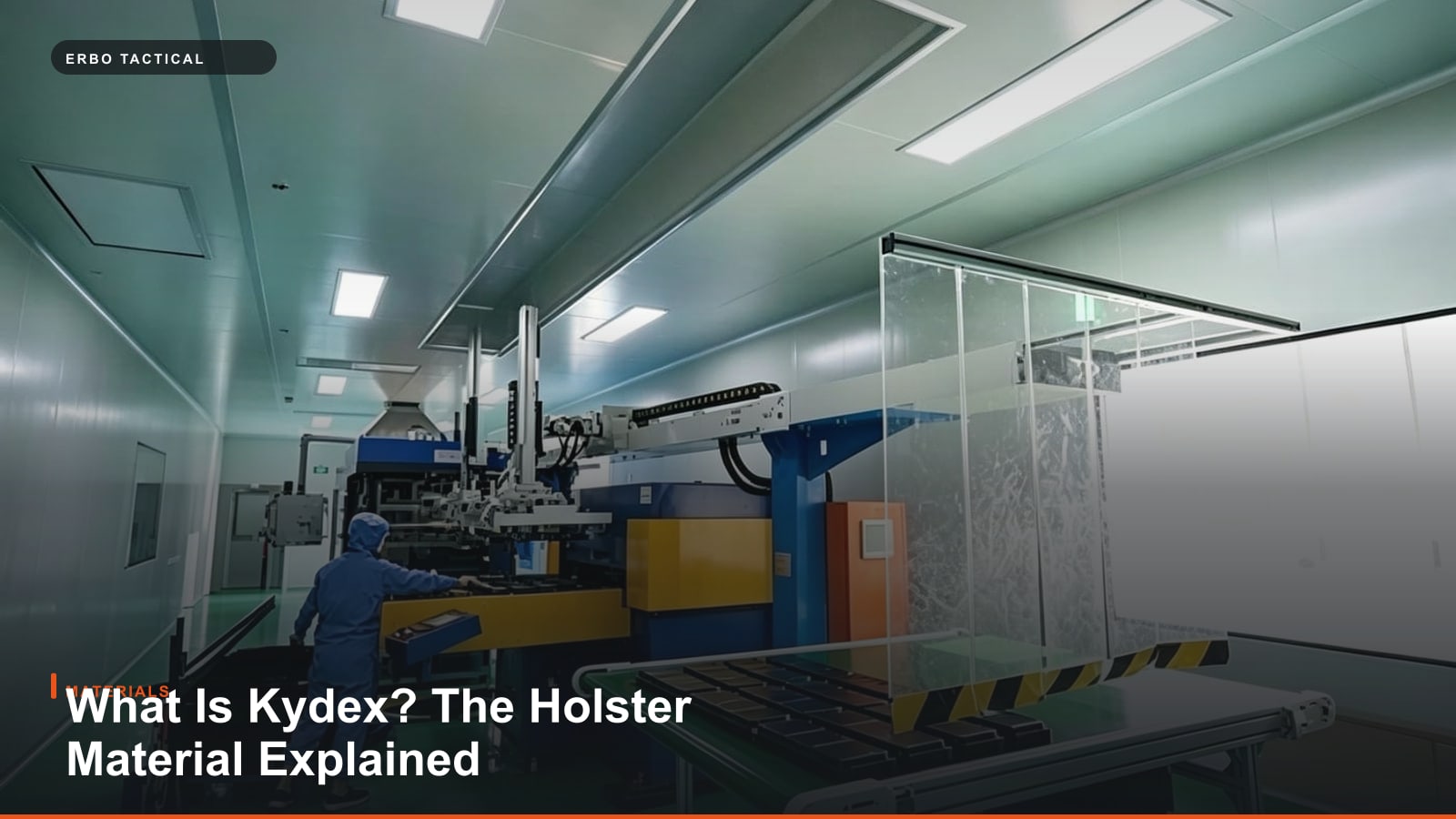
What is Kydex? A simple explainer of the thermoplastic used for holsters — what it's made of, why it's used, thicknesses and how it compares to leather.
Read guide →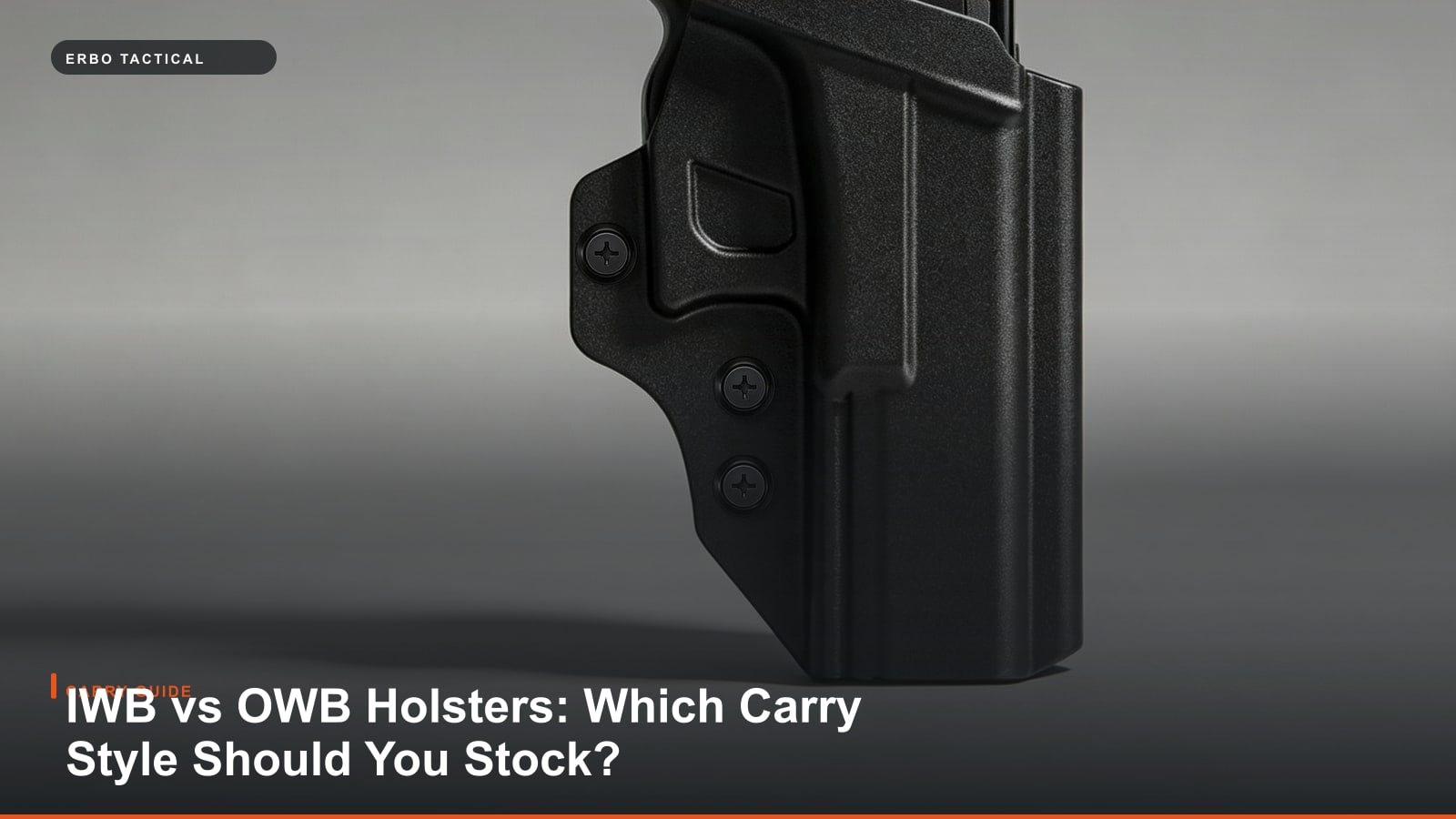
IWB vs OWB holsters compared — concealment, comfort, draw speed and who buys each. A guide for brands deciding which carry styles to offer.
Read guide →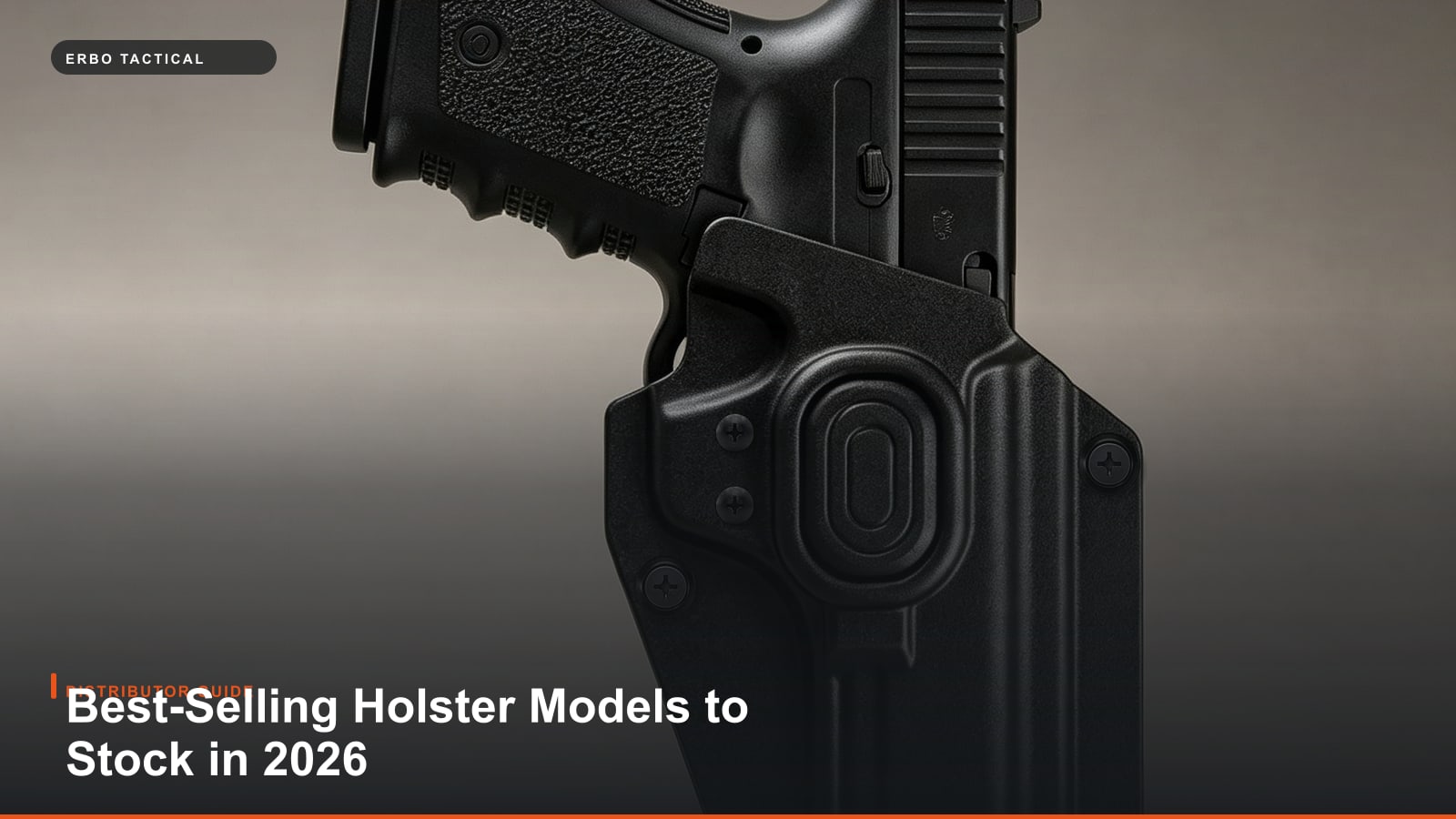
The highest-demand gun models to stock or private-label — Glock 19, SIG P365, S&W Shield and more.
Read guide →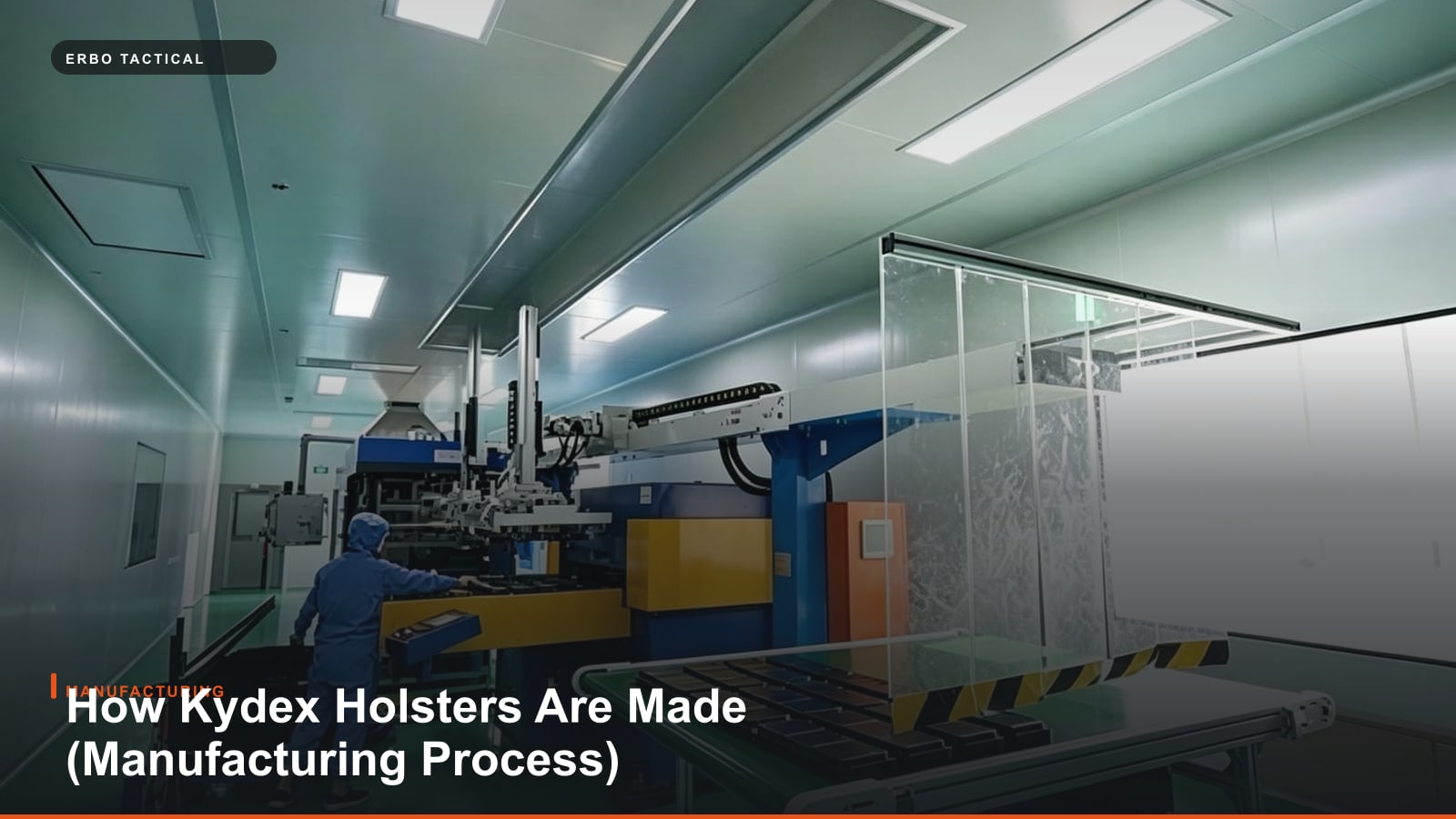
Step by step from CNC mold tooling and thermoforming to trimming, retention tuning and QC.
Read guide →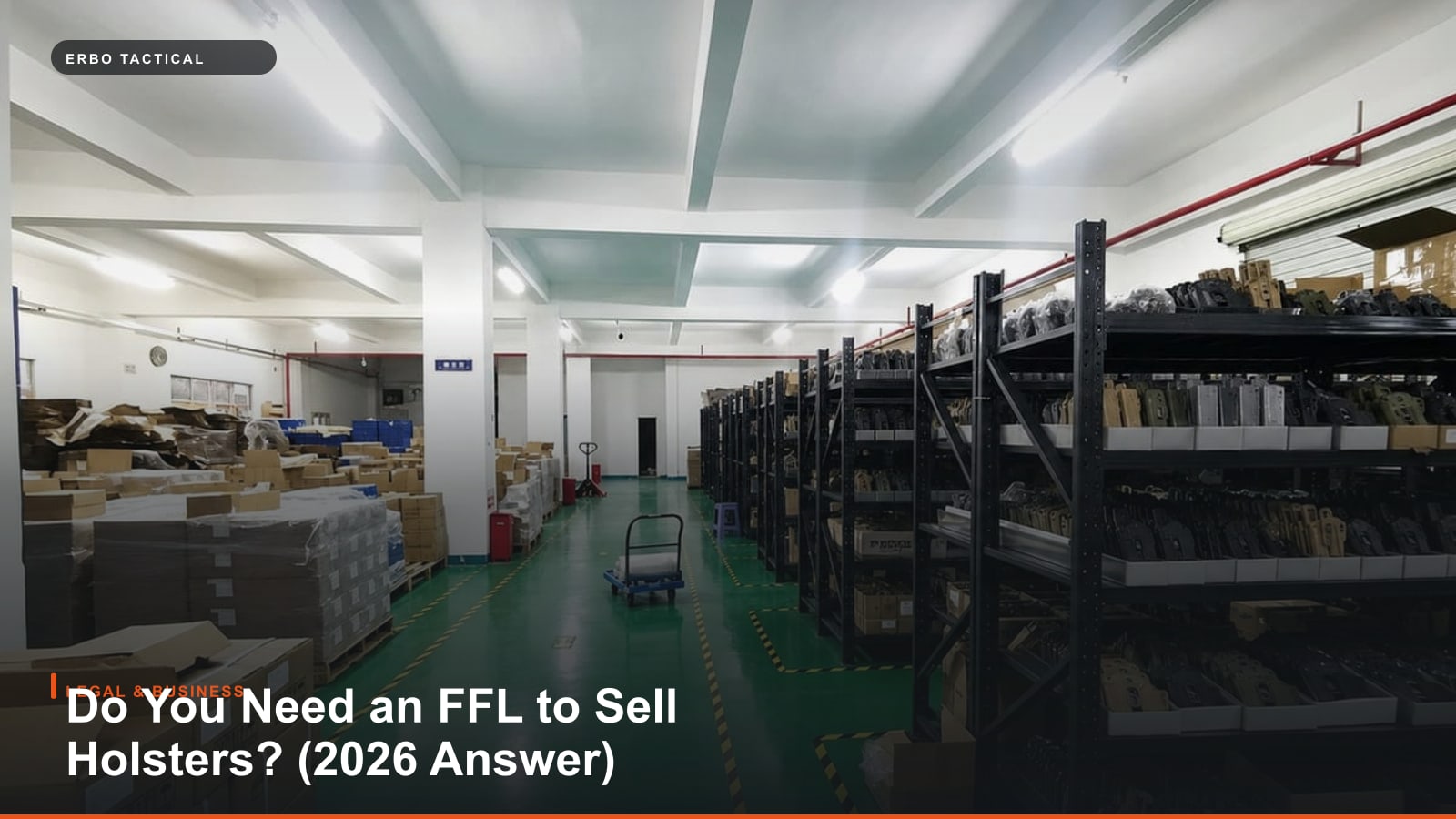
No — holsters are accessories, not firearms, so no FFL is required. Here's what you actually need to sell them.
Read guide →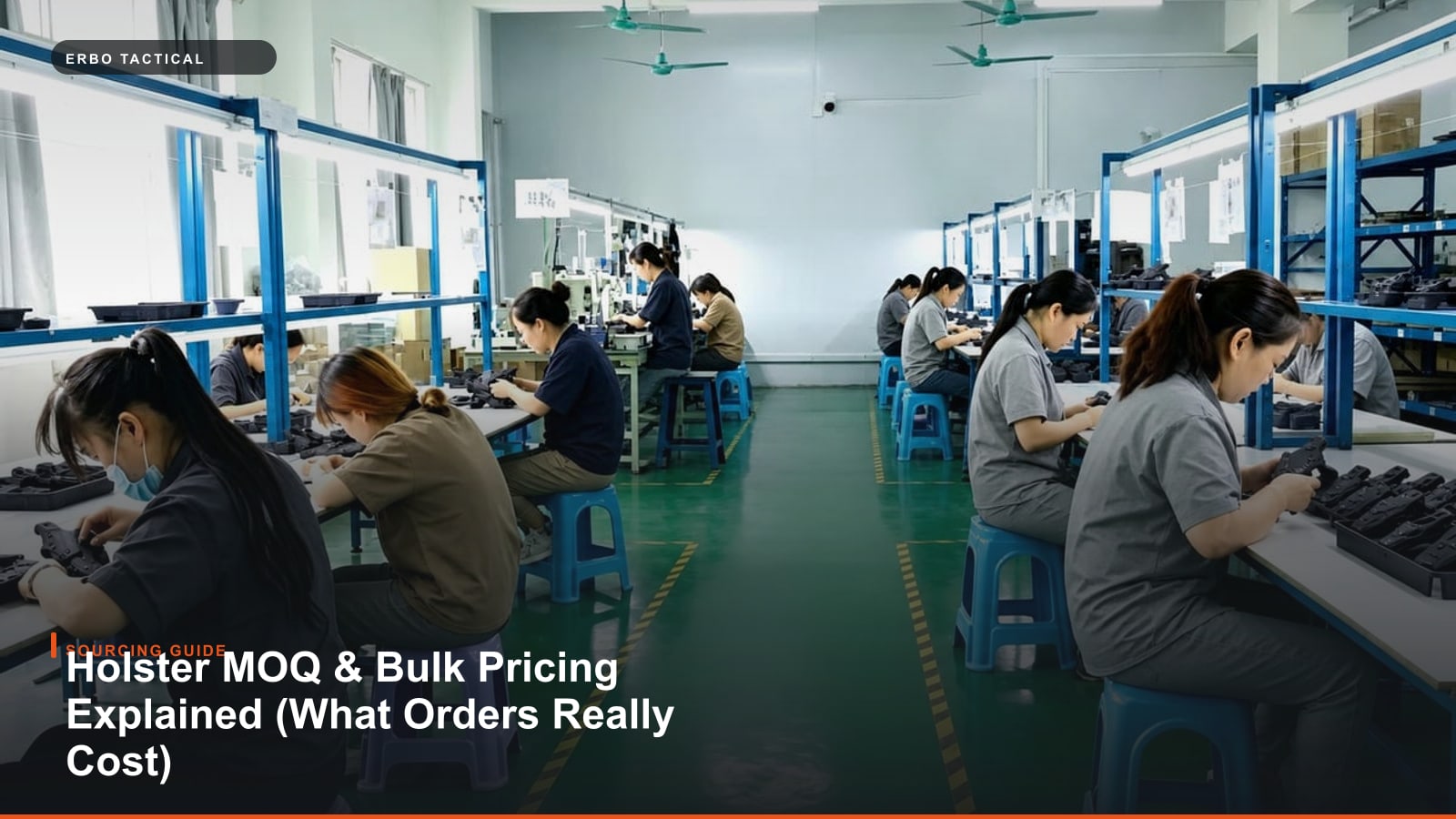
How MOQ, tooling, customization and volume shape your unit price — and how to budget your first bulk holster order.
Read guide →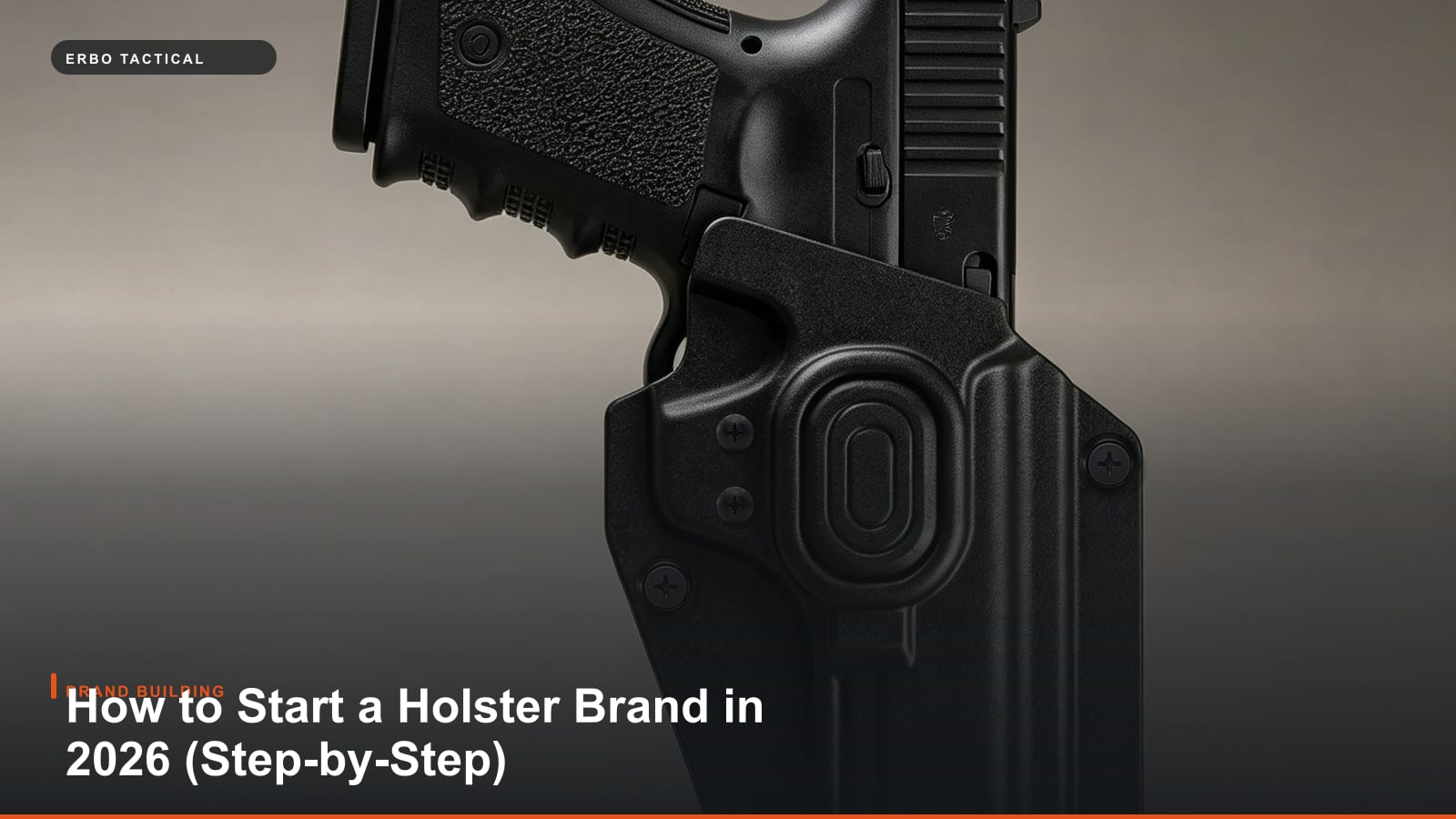
From niche and naming to sourcing, pricing and first orders — the practical roadmap to launching your own holster brand.
Read guide →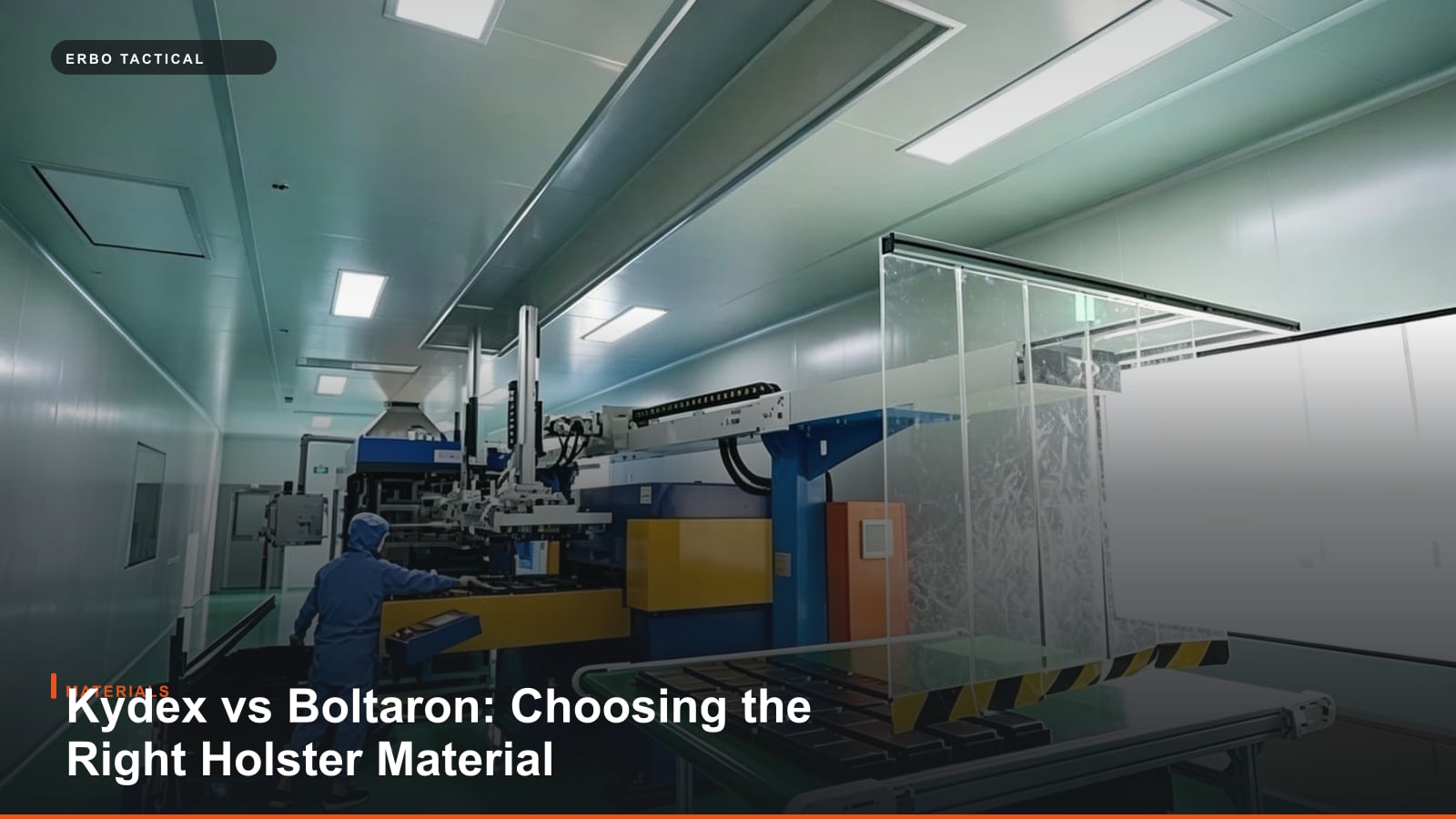
Heat resistance, thickness, durability and cost — what to spec for your product line.
Read guide →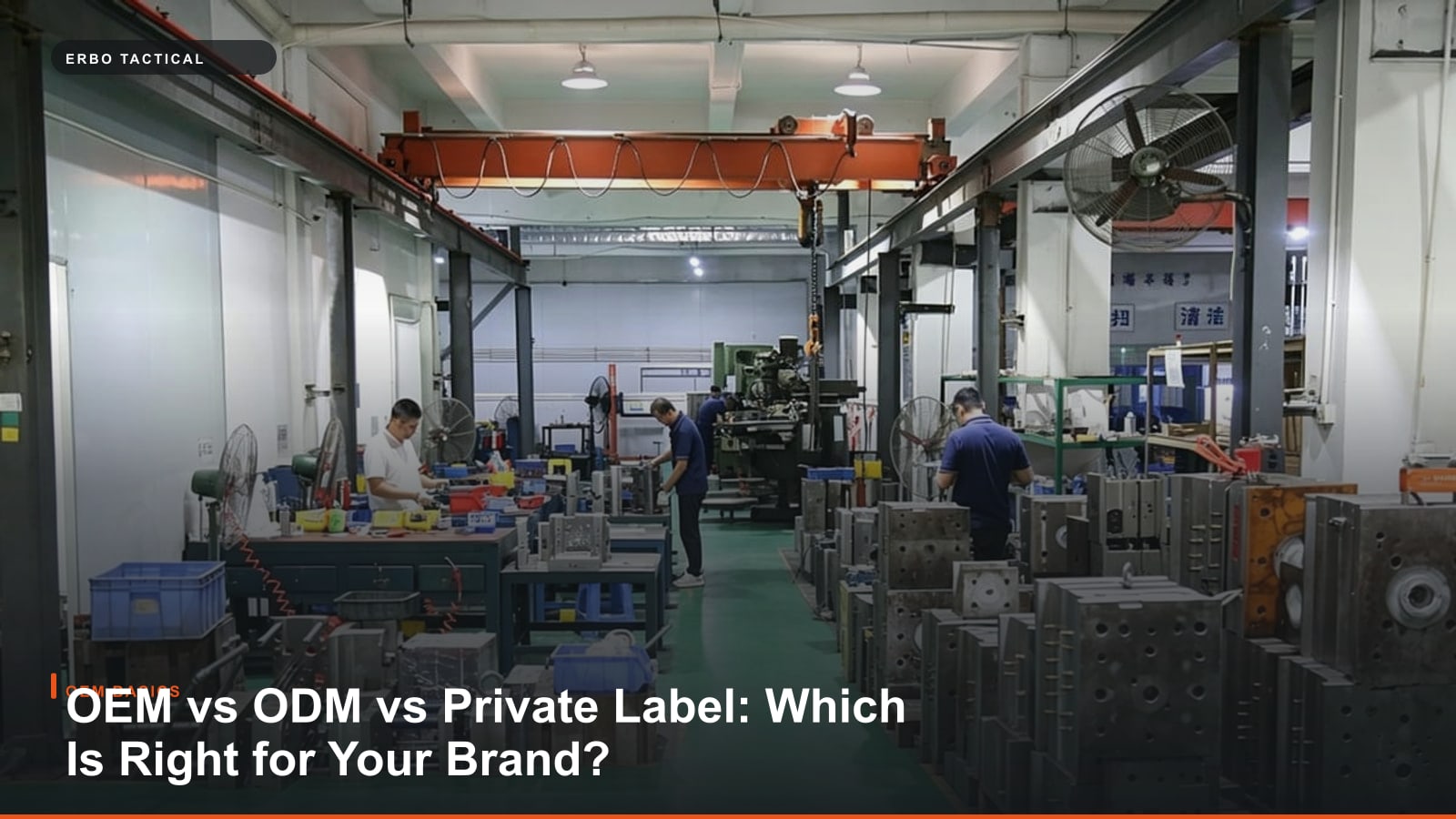
Definitions, costs and control levels so you pick the right manufacturing model for your holster line.
Read guide →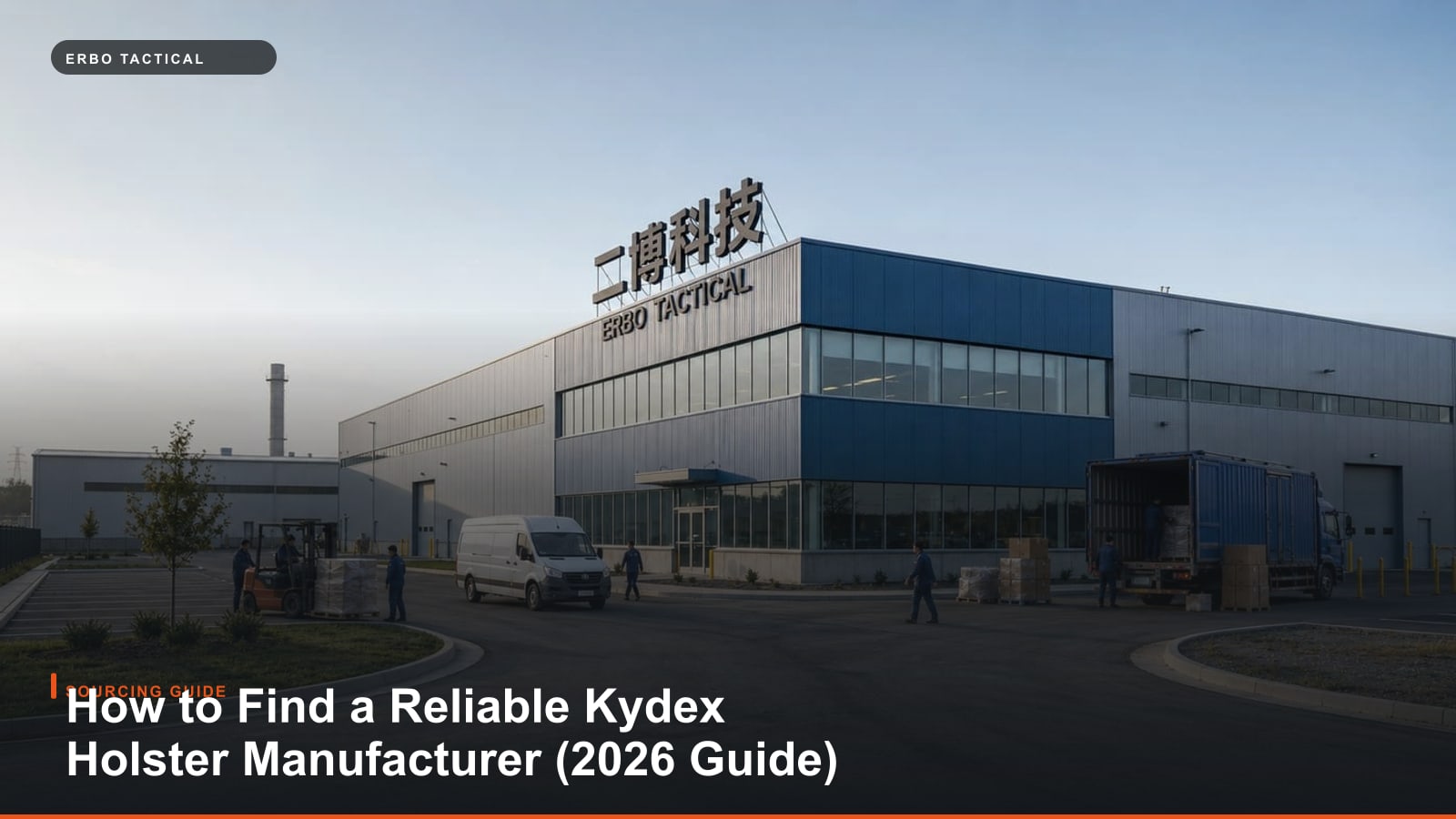
A 10-point checklist to vet factories on tooling, MOQ, quality and lead time before you place an order.
Read guide →